Speak Like a Local: Essential Bahasa Bali Phrases & Cultural Insights for Your Bali Trip
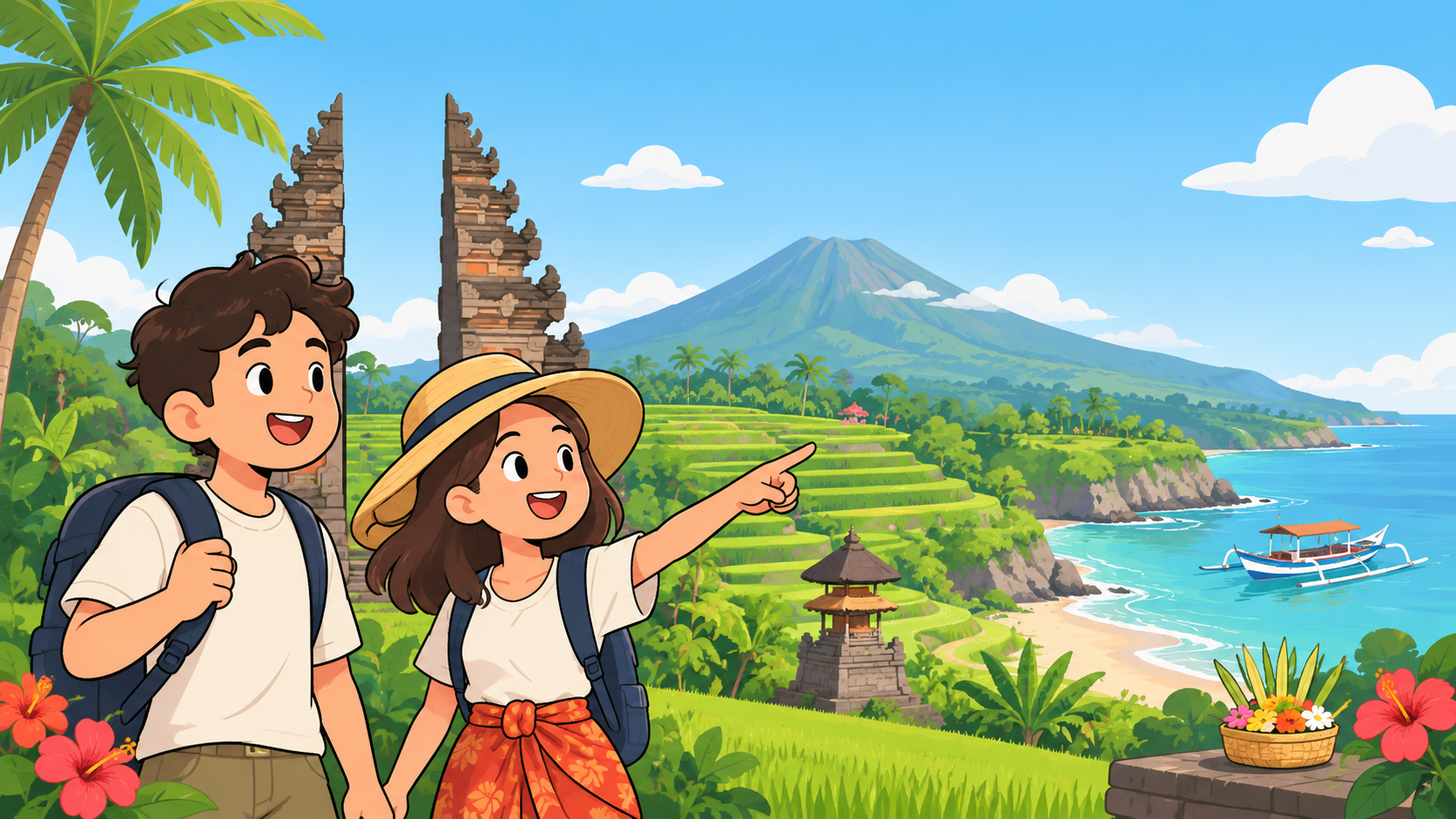
Planning a trip to Bali? Learn essential Bahasa Bali phrases to connect with locals, plus the latest Bali travel insights from Travel Chingu, your trusted Bali travel agency.
Speak Like a Local: Essential Bahasa Bali Phrases & Cultural Insights for Your Bali Trip
When preparing for an island getaway, most travelers brush up on a few words of Bahasa Indonesia—Indonesia’s national language. However, once you step off the plane in Denpasar, you will quickly hear a softer, rhythmic local dialect spoken in temple courtyards, traditional warungs, and village markets: Bahasa Bali (Basa Bali).
At Travel Chingu, a dedicated Bali news travel agency based right on the island, we believe that unforgettable journeys go beyond ticking off famous landmarks. Knowing even a handful of Bahasa Bali words transforms polite tourist interactions into warm, genuine human connections. Whether you are bargaining at Ubud Art Market or greeting a temple priest in Karangasem, this guide covers the essential Balinese phrases and latest local travel updates you need before you pack.
Bahasa Indonesia vs. Bahasa Bali: What’s the Difference?
While Bahasa Indonesia is used across schools, government offices, and signage throughout Bali, Bahasa Bali is the native mother tongue of the Balinese people. Unlike Indonesian, which is largely egalitarian, Balinese features distinct speech registers—ranging from everyday casual speech (Basa Ketah) to refined, respectful language (Basa Singgih) used when addressing elders, priests, or guests.
You don’t need to master complex grammar to make an impression. Locals deeply appreciate any visitor who makes the effort to use polite Balinese greetings.
10 Essential Bahasa Bali Phrases Every Traveler Should Know
Keep this quick-reference cheat sheet handy during your tours with Travel Chingu:
1. Hello / Peace be with you — Om Swastiastu
- Pronunciation: Om Swas-tee-yas-too
- When to use it: The traditional Balinese greeting used any time of day, often accompanied by hands pressed together at chest level.
2. Thank you (very much) — Matur Suksma
- Pronunciation: Mah-toor Sook-suh-mah
- When to use it: A warm, polite way to thank your driver, server, or host.
3. You’re welcome — Mewali / Suksma Mewali
- Pronunciation: Meh-wah-lee / Sook-suh-mah Meh-wah-lee
- When to use it: The natural response when someone says Suksma to you.
4. Good morning — Rahajeng Semeng
- Pronunciation: Rah-ha-jeng Suh-meng
- When to use it: Ideal when heading out early for a Kintamani sunrise jeep tour or Lovina dolphin watching.
5. Good afternoon — Rahajeng Tengai
- Pronunciation: Rah-ha-jeng Teng-eye
- When to use it: Used during midday temple visits or lunch stops.
6. Good evening / night — Rahajeng Wengi
- Pronunciation: Rah-ha-jeng Weng-ee
- When to use it: Great for dinner outings or evening Kecak dance performances.
7. How are you? — Kenken kabare?
- Pronunciation: Ken-ken kah-bah-ray
- When to use it: A friendly icebreaker for local shopkeepers and guides.
8. I am doing well — Becik-becik
- Pronunciation: Beh-chik beh-chik
- When to use it: Your go-to reply when asked how you are doing.
9. How much is this? — Aji kuda niki?
- Pronunciation: Ah-jee koo-dah nee-kee
- When to use it: Useful when browsing handicrafts in Sukawati or Ubud Market.
10. Delicious! — Jaen! / Jaen sajan!
- Pronunciation: Jah-en / Jah-en sah-jan
- When to use it: Say this after trying authentic Babi Guling or Lawar to earn an instant smile from the chef.
Polite Titles for Addressing Locals
In Bali, addressing someone simply as "you" can feel overly direct. Instead, use respectful family-style titles:
- Bli (Brother): Used for men roughly your age or slightly older (e.g., "Suksma, Bli" to your tour driver).
- Mbok or Gek (Sister): Used for young women and female staff.
- Pak (Sir / Father) & Bu (Ma’am / Mother): Used for older men and women.
Bali News & Cultural Etiquette Updates for 2026 Travelers
As a frontline Bali news travel agency, Travel Chingu keeps our guests informed on evolving local regulations and cultural norms so your trip runs smoothly:
- Temple Dress Codes & Sacred Etiquette: Across major sacred sites like Lempuyang Temple (Gate of Heaven), Tirta Empul, and Uluwatu Temple, strict enforcement of sarongs and sashes remains in place. Always cover your shoulders and knees, avoid stepping over daily Canang Sari flower offerings on the pavement, and follow local photography rules inside inner temple courtyards.
- Sustainable Village Tourism: Traditional villages such as Penglipuran continue to lead Bali’s eco-tourism initiatives. Respecting local customs—and greeting residents in Bahasa Bali—directly supports community-based tourism.
- Advance Planning for Popular Routes: Traffic around South Bali, Ubud, and East Bali corridors requires smart timing. Booking private, locally guided day tours ensures you beat the crowds at sunrise viewpoints while traveling safely with drivers who speak fluent English, Bahasa Indonesia, and Bahasa Bali.
Explore the Heart of Bali with Travel Chingu
Language is the bridge that turns a standard vacation into a meaningful cultural immersion. At Travel Chingu, our passionate local guides are storytellers who help you navigate Bali’s traditions, hidden gems, and everyday life with confidence.
Whether you are dreaming of watching the sunrise over Mount Batur, chasing waterfalls in North Bali, or exploring ancient royal water palaces in Karangasem, we craft personalized itineraries tailored to your pace and interests.
Ready to plan your Bali adventure?
- Explore Our Tour Packages: Browse curated trips on Travel Chingu
- Chat with Our Local Team: Reach out via WhatsApp at +62 857 3801 7069 or email yourtravelchingu@gmail.com to customize your itinerary today.
Related articles
More stories you may like
Bali Flights & Luxury Resorts: Your Ultimate Guide to Flying United to Paradise
Dreaming of turquoise waves, lush emerald rice terraces, and world-class hospitality? Planning a trip to Bali starts with two major decisions: securing the smoothest flights and choosing the ideal resort to call home. For travelers departing from North America, booking with United Airlines offers convenient transpacific connections straight to Ngurah Rai International Airport (DPS) in Denpasar.
Garuda Wisnu Kencana (GWK) Bali: A Majestic Cultural Landmark with Travel Chingu
Garuda Wisnu Kencana (GWK) Cultural Park is one of Bali's most iconic and popular tourist destinations
Water Sports in Nusa Dua, Bali: A Thrilling Adventure with Travel Chingu
Nusa Dua, located on the southeastern coast of Bali, is a prime destination for water sports enthusiasts.